

Bean to Cup Filter Coffee Machine
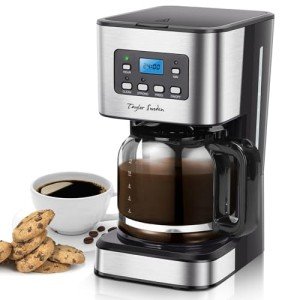
A bean-to cup filter coffee machine is a self-service, high quality solution for offices. It also provides a fast delivery of drinks and the ability to save energy when entering eco-mode.
They are simple to use, and deliver reliable results. You simply put fresh beans into the hopper, swipe and select your desired drink and then sit back for.
1. Easy to use
Bean to cup filter machines don't require any manual intervention. Bean to cup machines differ from espresso machines which require the user to manually fill the portafilter with ground coffee and then tamp, lock, and then knock the coffee into knockboxes (similar to how a barista does it). Instead, bean to cup machines utilize a hopper, grinder, and do everything automatically. All the user has to do is pick their preferred beverage and the machine takes care of the rest, with the exception of emptying the cake tray of grounds used and refilling the water tank.
The top-rated machine beans to cups will offer a variety of pre-programmed drinks. That means that all you need to do is swipe or tap the glass touch screen and your coffee will be ready in seconds. If you prefer a particular flavor for the brew, most machines let you alter the settings.
The majority of bean-to-cups come with steam wands that let you to create classic milky beverages like cappuccinos or lattes. Some models have drip trays or spouts that can be adjusted that have a dual height, which is helpful when serving different sizes of cups.
Sage Barista Touch impress is a premium bean to cup machine with a wide array of features. It is simple to use, and has a large number of options. It can handle all the basics - from making flat white, cappuccino or latte to an espresso that is simple - and it shows you every step with its beautiful touchscreen display in color.
Most of the best machines to make coffee in a cup will feature different grind settings. This lets you alter the size and taste of your beans. The machines will also come with a range of pre-programmed beverages and according to the model, they may even include an app that will guide you through the process. These apps can also serve as a reminder to clean your machine clean, empty the bins and replace the water tank.
2. Versatile
Most modern bean to cup coffee machines can make espresso and coffee-based drinks. Some machines can even make ristretto and cappuccino type coffees. If you want to make the more niche coffees that are sold in coffee shops, you'll have to consider more specialized options. These machines use ground beans instead of pre-packaged coffee pods, and offer more flexible settings than machines that use pods. You can select from a range of roasts and grind sizes, as well as aromas, and you can alter the strength of your beverage to ensure it is perfect for you.
The majority of bean to cup machines can work with coffee beans as well as filter cartridges, however you're likely to have a preference between using either ground coffee or pods. Ground coffee is generally more flavorful and can be adjusted for stronger or weaker brews, and is generally less expensive than coffee pods over time. If you really can't decide, then you should consider an option that works with both, as this will provide you with the best of both worlds.
Many of the most modern coffee makers come with a built-in milk steamer that can be used to froth or texturize your drink of choice. coffee pot drip Coffeee is essential if you're looking to learn how to make milky drinks such as cappuccinos or lattes. It's also a great method to develop some basic barista techniques at home.
The majority of coffee makers have saved settings which allow you to select the coffee you want by a single click. This ensures that the same quality of coffee is made every time. This is an enormous benefit, as it removes the uncertainty and ensures that each cup of coffee you prepare is perfect.
A fully automated bean to cup machine is an excellent option for a busy cafe or restaurant, since it offers a hands-free experience. It can also be filled with your preferred coffee beans to ensure that you always have fresh, top quality coffee available. Precision brewing minimizes product waste, which can increase your profits, and giving your customers the taste of a coffee shop they've come to love.
3. Easy to clean
A bean-to-cup coffee machine employs a totally different extraction method than traditional machines. Instead of using a portafilter which is manually dosed (the correct amount of ground coffee is added) and then tamped before being locked into the group, these machines utilize a gearing mechanism to 'dose the ground coffee which is then tamped automatically before being pushed into a knock box. This is a more efficient process that takes less time to prepare than a portafilter per drink.
The distinction in the extraction process also makes it easier for you to clean your coffee bean machine. You will need to clean your commercial coffee machine on a regular basis regardless of whether you use fresh or pre-ground beans. Taking the time to clean and descaling cycle of your commercial coffee maker can drastically reduce call-out fees and ensure that it's operating efficiently.
The majority of modern bean-to-cup filter coffee machines come with an integrated descaling programme which alerts you when it's required. This should be done once every month or more frequently when your water is of a hardness. Some manufacturers also offer a specific coffee machine water filter that will lower calcium levels and help prevent the formation of harmful limescale.
Cleaning your milk system regularly is also important to eliminate bacteria and degrease it. Most modern bean-to-cup coffee machines have automatic programmes that cleanse and rinse the milk system using antibacterial fluids.
You should also clean the brewgroup mesh every month, since it can easily get blocked with coffee oils. This can result in the extraction being uneven, and adversely affect the flavor of your coffee. This can be done easily by unscrewing your group of brew and then soaking it in water containing tablets for cleaning. This will get rid of any unwanted coffee residues and ensure that your brewing process is constant.
4. Easy to maintain
If you don't keep up with cleaning and descaling your bean to cup filter coffee maker, limescale will accumulate on boilers and heating elements. This will lead to a gradual loss in efficiency, and over time could cause permanent damage. To avoid this, you should use a water filter which reduces the amount minerals that enter your machine.
It is also worth investing in an anti-calcium program to get rid of any calcium deposits. This should be undertaken every week or more often depending on the usage.
In contrast to traditional espresso machines bean to cup filters don't need a barista to do the manual dosing and tamping process of a portafilter for each coffee, as they are fully automatic. This makes them much simpler to use, and is especially crucial if your staff is not barista-trained.
One of the main advantages of a bean-to-cup coffee machine is that they are easy to clean. They often have automatic cleaning and descaling functions as standard. These functions can be controlled with pressing one button, making them very easy to maintain. It is still worthwhile to have a plan of service for your bean-to-cup coffee maker it will ensure that any issues are dealt with quickly and quickly.
It is important to clean your milk system on a regular basis with a machine-friendly cappuccino cleanser. This will prevent blockages and meet safety and health guidelines.
As a rule, you should aim to complete a cleaning process at the end of each work day. This is essential because it will ensure that your machine is in top working order and will allow you to serve premium drinks.
Descale your coffee maker at least once per week. If you don't do this it will cause a thick layer to form on the internal surfaces that won't be removed by even the strongest descalers. To prevent this from becoming an issue, you should consider using a limescale and hard water filter to limit the amount of minerals that enter your coffee maker.